PRSONAS™ Blog
 Julia Corbin
Let’s face it—hospitals are busy places. Patients are anxious, visitors are confused, and staff are stretched thin. Now, imagine a friendly, always-available AI avatar
 |
 |
 |
 |
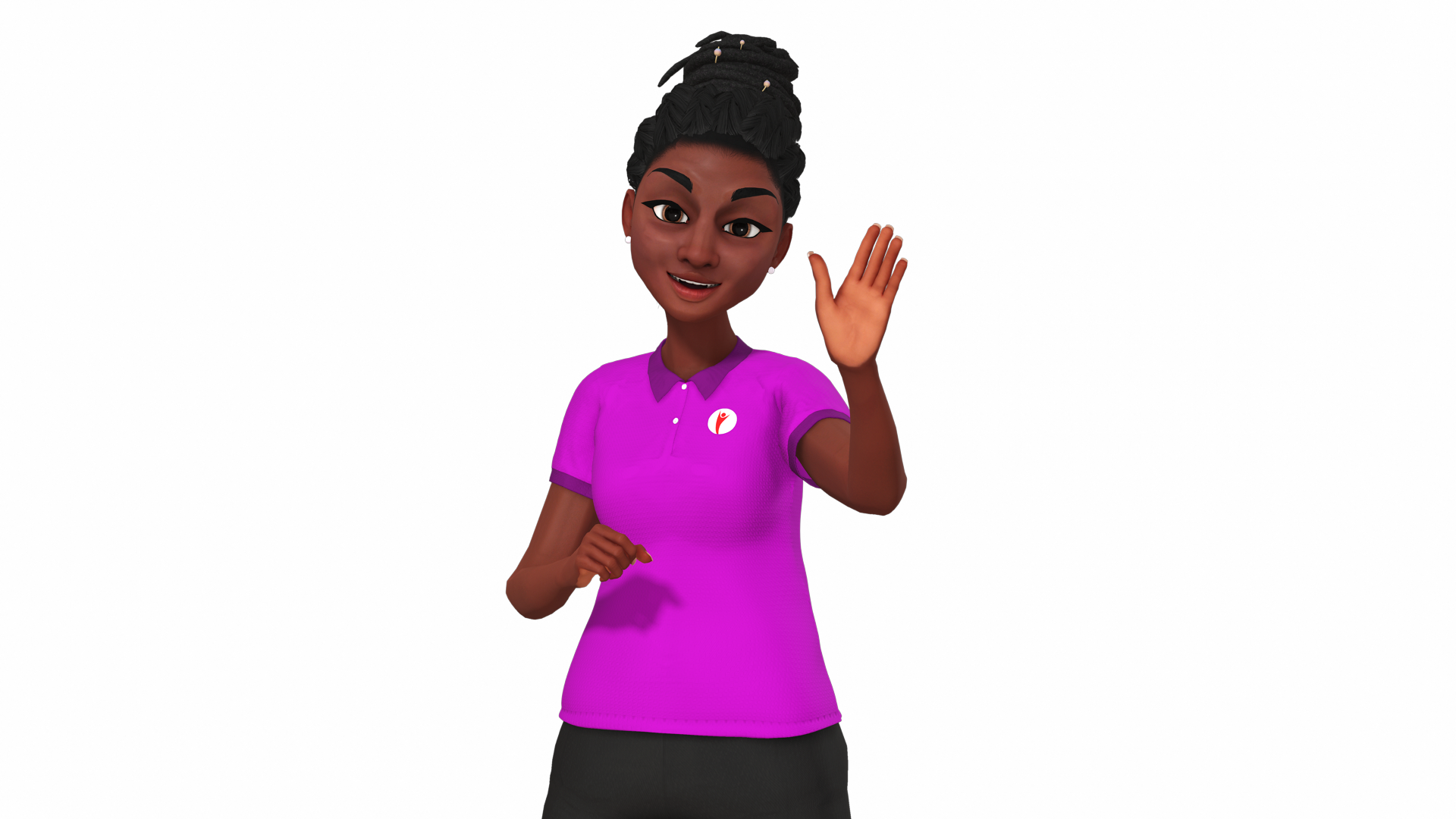 |
that can answer common questions and guide people through your facility with ease. Sounds futuristic? It’s not. It’s happening now—and the return on investment (ROI) is real.
Why This Matters Now
In today’s healthcare landscape, patient experience is a competitive differentiator. Hospitals are under pressure to improve satisfaction scores, reduce operational costs, and streamline workflows—all while delivering exceptional care. An AI avatar that handles FAQs and wayfinding isn’t just a nice-to-have; it’s a strategic asset.
The Problem: Repetitive Questions and Lost Visitors
Every day, your front desk staff answers the same questions:
- “Where’s radiology?”
- “What time are visiting hours?”
- “Where can I find a wheelchair?”
Meanwhile, patients and visitors wander hallways, frustrated and late for appointments. These seemingly small issues add up to lost time, lower satisfaction, and increased stress—for everyone.

of first-time hospital visitors get lost |

of patients ask for directions when |
The Solution: AI-Powered Avatars
An AI avatar can:
- Available 24/7
- Answer FAQs in multiple languages
- Provide real-time, interactive wayfinding
- Reduce staff workload
- Improve patient and visitor satisfaction
The ROI: What You Can Expect
Let’s break it down:
 Operational Efficiency
- 30–50% reduction in front desk inquiries
- Staff can focus on higher-value tasks
- Fewer interruptions = better workflow
 Patient Experience
- Improved HCAHPS scores
- Reduced wait times and confusion
- Enhanced accessibility for non-English speakers and those with disabilities
 Cost Savings
- Lower staffing costs for non-clinical roles
- Reduced need for printed signage and maps
- Fewer missed or delayed appointments
 Data Insights
- Track common questions and navigation pain points
- Use data to improve facility layout and communication
 Brand Differentiation
- Position your hospital as innovative and patient-centric
- Attract tech-savvy patients and partners
Real-World Example
One large urban hospital implemented an AI avatar across its main campus. Within 6 months:
- Front desk inquiries dropped by 40%
- Patient satisfaction scores rose by 18%
- The system pays for itself in no time
👀 See what Alex did at Princess Alexandra Hospital NHS
The Urgency: Why Now?
AI adoption in healthcare is accelerating. Hospitals that wait risk falling behind. Implementing an AI avatar is a low-risk, high-reward move that can deliver measurable ROI in months—not years.
Final Thoughts
If you're a CTO, CIO, or CEO—or anyone responsible for patient engagement—this is your moment. AI avatars are not just about answering questions. They’re about transforming the patient journey, reducing operational friction, and positioning your hospital for the future.
Don't forget to take the eBook with you 😜